
April 2026 Policy Newsletter
Whose streets?
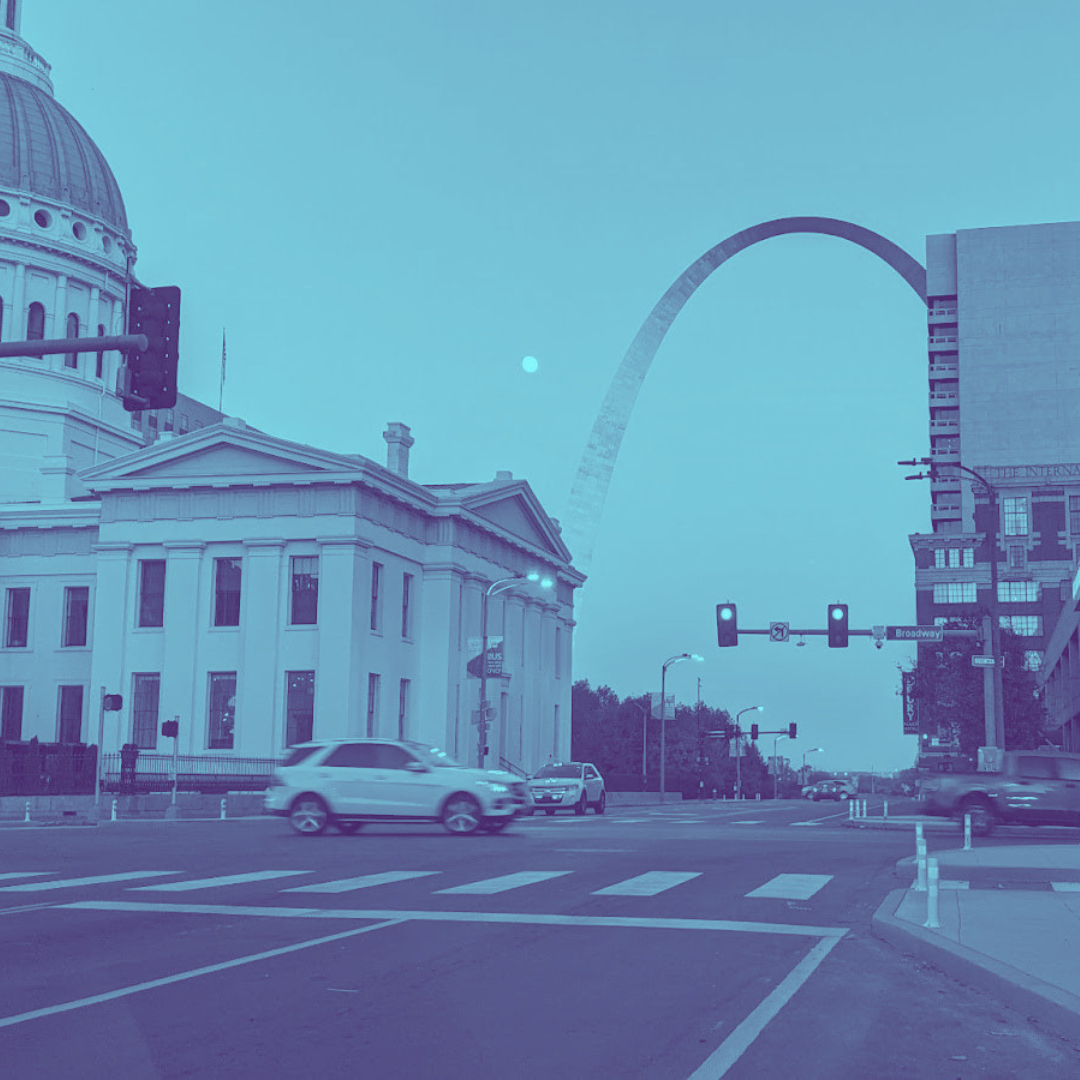
We have designed so much of our city around cars, sometimes to the point that we forget about people. With recent news that pedestrian safety infrastructure was removed downtown to accommodate hotel traffic, there is a question we need to ask ourselves:
Who are we designing our city for? It’s not really a question about how quickly you can move by car. Most of the roads in St. Louis are designed to allow you to drive a vehicle on them. Most of the time, you can get almost anywhere in the City in 20 minutes or less. If a backup happens, it may take longer, but usually everyone arrives home safely.
But our City has been plagued by headlines of lost limbs and lost lives for people outside of cars. They are the kind of headlines that make people wonder if our city is worth visiting, if it is worth living in, if it is safe.
This should be simple. When a speeding car hits a person, they are gone forever. When we design around people, including the people that are coming and going from downtown hotels on foot, we protect the most important asset our city has.
It takes months, sometimes years to design and install infrastructure that protects pedestrians. There are expensive traffic studies, community engagement events, and more. The infrastructure that results from these shouldn’t be something that can be removed after a single news story about a traffic jam. It takes experts to understand the complicated interaction between vehicle traffic and pedestrians, but it was a unilateral decision made by the Mayor to strip the concrete off the pavement, to the detriment of people who walk around our city. When we do that, we’re telling you not to walk; you’ll be safer if you travel by car. And that just adds more traffic.
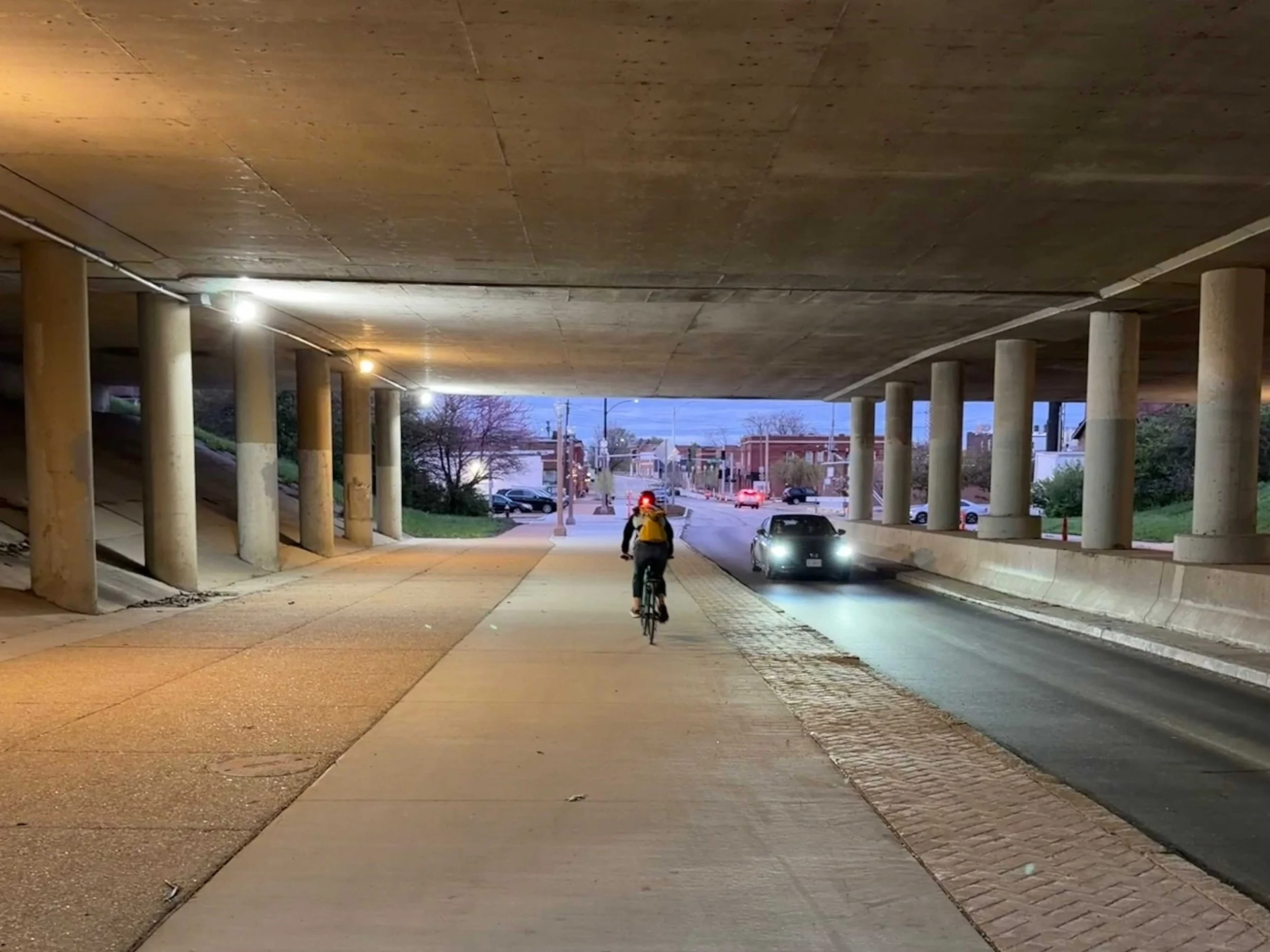
People engaged in the process. They went to the meetings, pop-ups, engagement events, and answered the survey done as part of the Transportation Mobility Plan. An overwhelming number of people (90%) said they supported slower travel speeds if it meant reducing reckless driving, and 76% of residents responded they are willing to add some level of travel delay to their drive if it meant that more people who do not own or have access to a vehicle could more safely travel around the City. It felt like a victory for the people who live or work downtown, and for everyone who walks our streets to have bump outs installed along Broadway. And just like that, the bump-outs were removed without any engagement. Not even the Alderwoman for the ward knew what was happening until it was done.
When people organize and engage in the system as it was designed, and then progress is ripped from their grasp by a single phone call from a powerful person, it makes people wonder why they try. Whether it is decisions around the kind of development we welcome in our City, or the bump-outs that make it safer to walk around downtown, we are letting our people down when we aren’t honest, earnest, and transparent. We should ask that much from our elected leaders. When it comes to your safety, we should ask for more. I will keep fighting for your safety, no matter how you choose to get around.
We have to demand the change we want to see. We have to show that progress can’t be rolled back so easily. Join me at Kiener Plaza this Friday, April 10th, at 7 pm. The protest, organized by the St. Louis Coalition to Protect Cyclists and Pedestrians, is to show our city leaders that we want them to prioritize people, not the whims of the well-connected. When we design St. Louis for people, the people of St. Louis win.
Conclusion
Thanks for taking the time to read this month’s edition of the policy newsletter. As always, you can reach me at BrowningM@StLouis-MO.gov for anything government related, and MBrowningSTL@gmail.com for anything campaign related.
